Nexter Finance · DeFi · 2022–240 → 1Hands-on5 min read
Nexter Finance: 1.7 million predictions from an unfinished brief
A decentralised prediction market for crypto, stocks, commodities and real-world events. I led its design from the first flow and changed the launch plan so it could ship before the full product was defined. By January 2024 it had handled $19M+ in volume and earned $242K in fees.
- $19M+Volume traded (USD)
- $242KFees collected
- 1.7M+Predictions made
- 10K+Users
- 1K+Weekly active users
Nexter’s figures, as published in my case study in January 2024.
- The problem
- Two products, five markets and six networks to launch, with an incomplete brief, a moving scope and little time for design.
- My role
- Design Lead from zero on desktop and mobile web. I designed the product myself and managed a visual designer, a motion designer and an intern.
- The call
- Launch the simpler product first and release it market by market, instead of waiting for a complete scope.
- The result
- A live product that went on to $19M+ in volume, $242K in fees and 1.7M+ predictions by January 2024.
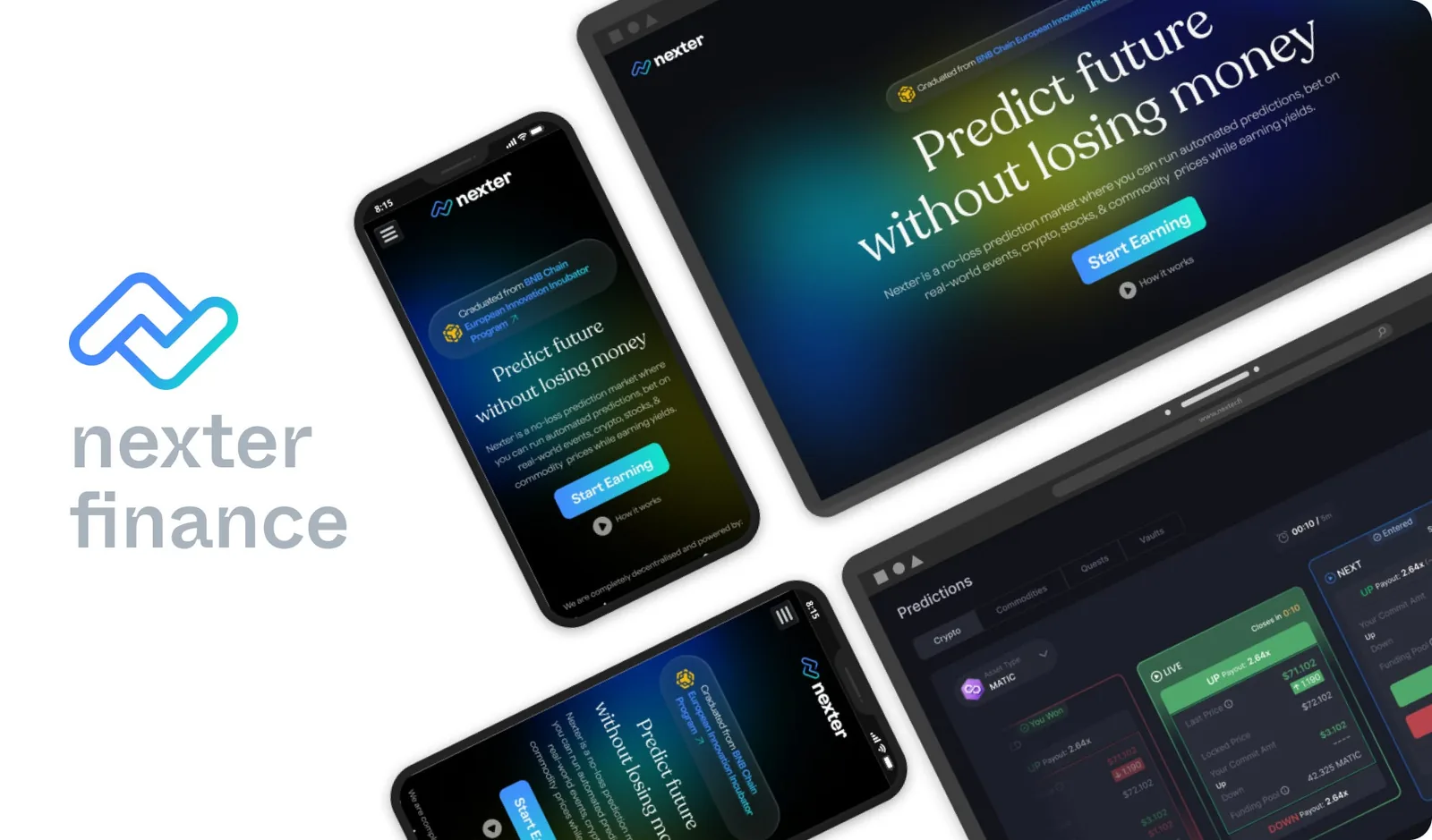
The situation
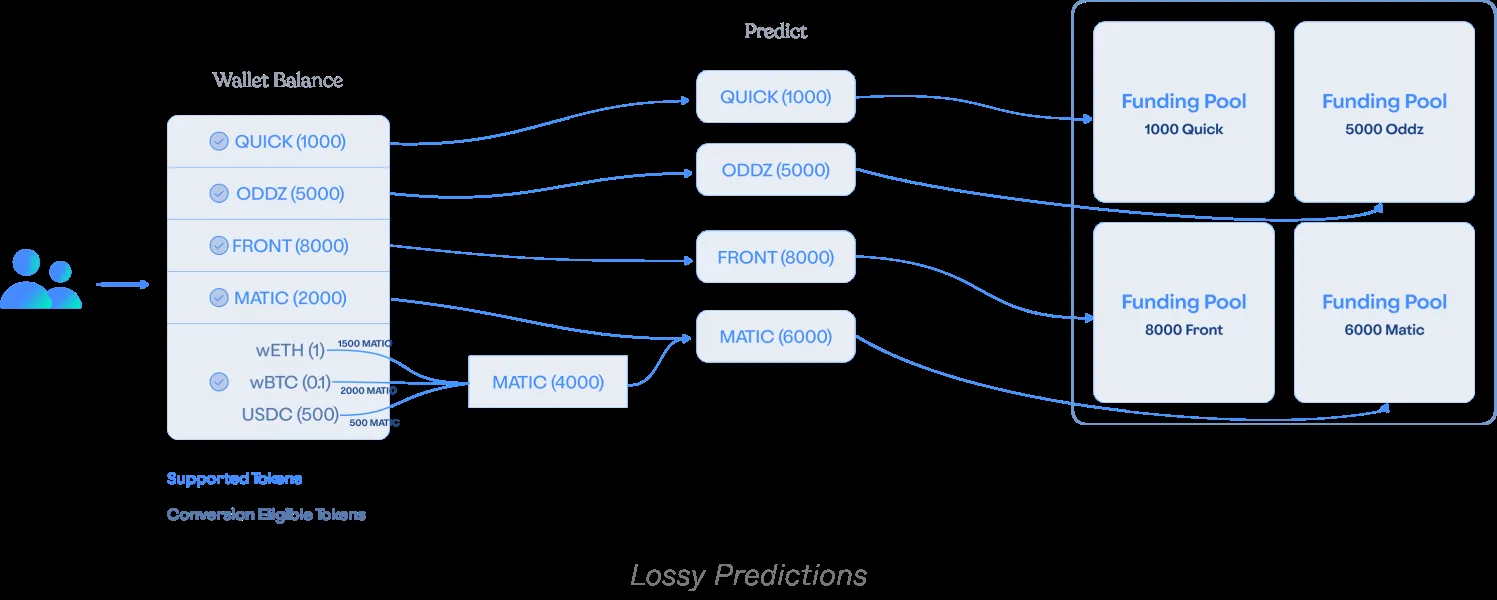
Nexter, formerly Bhavish Finance, is a decentralised prediction market, and the brief covered two kinds of prediction. In Lossy predictions, people commit crypto on whether an asset will go up or down within a round, and the winners are paid from the pool. In No-loss predictions, they deposit stablecoins and predict with game tokens that earn yield, so the deposit itself is never at stake. Nexter launched with Lossy alone; No-loss followed in a later phase.
The first launch was meant to cover crypto, stocks, commodities, automated prediction vaults and real-world event quests, on six blockchain networks. The brief was incomplete, the scope kept moving, and the time set aside for design was short.
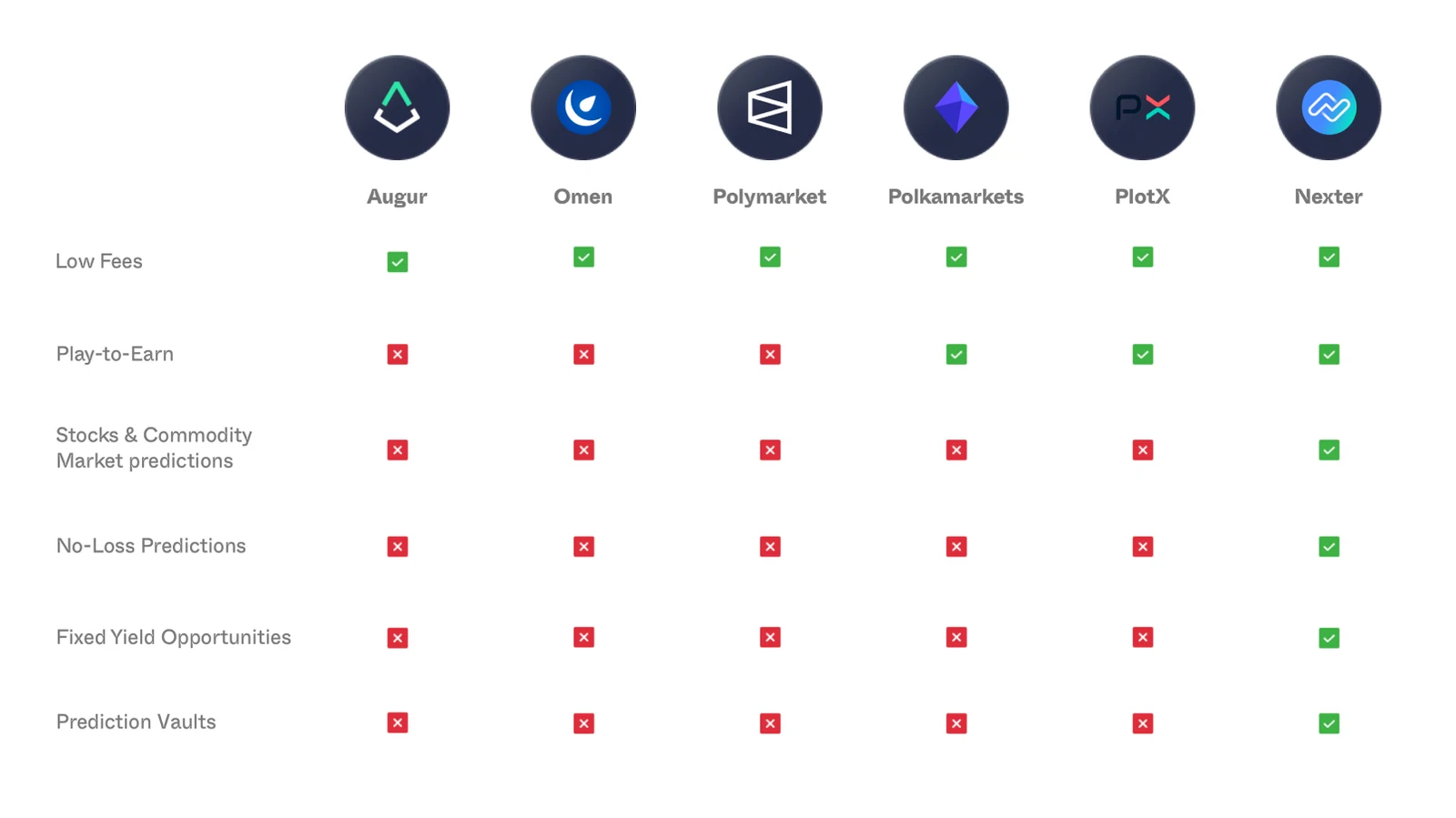
The research gave the product its bar. A poll the marketing team ran on Twitter and Telegram, with close to 50 people, showed real curiosity, above all for crypto predictions, and every interested person already knew how web3 prediction markets work. The category’s weaknesses were just as clear: one person’s win is another’s loss, liquidity is thin, and most products gave people little reason to come back.
My role
I came to Nexter from leading the design of Oddz Finance, an on-chain options product. On Nexter I set the design direction from the first flow and designed the desktop and mobile web product myself. I managed a team of three, a visual designer, a motion designer and an intern I trained, inside a fully remote, cross-functional team.
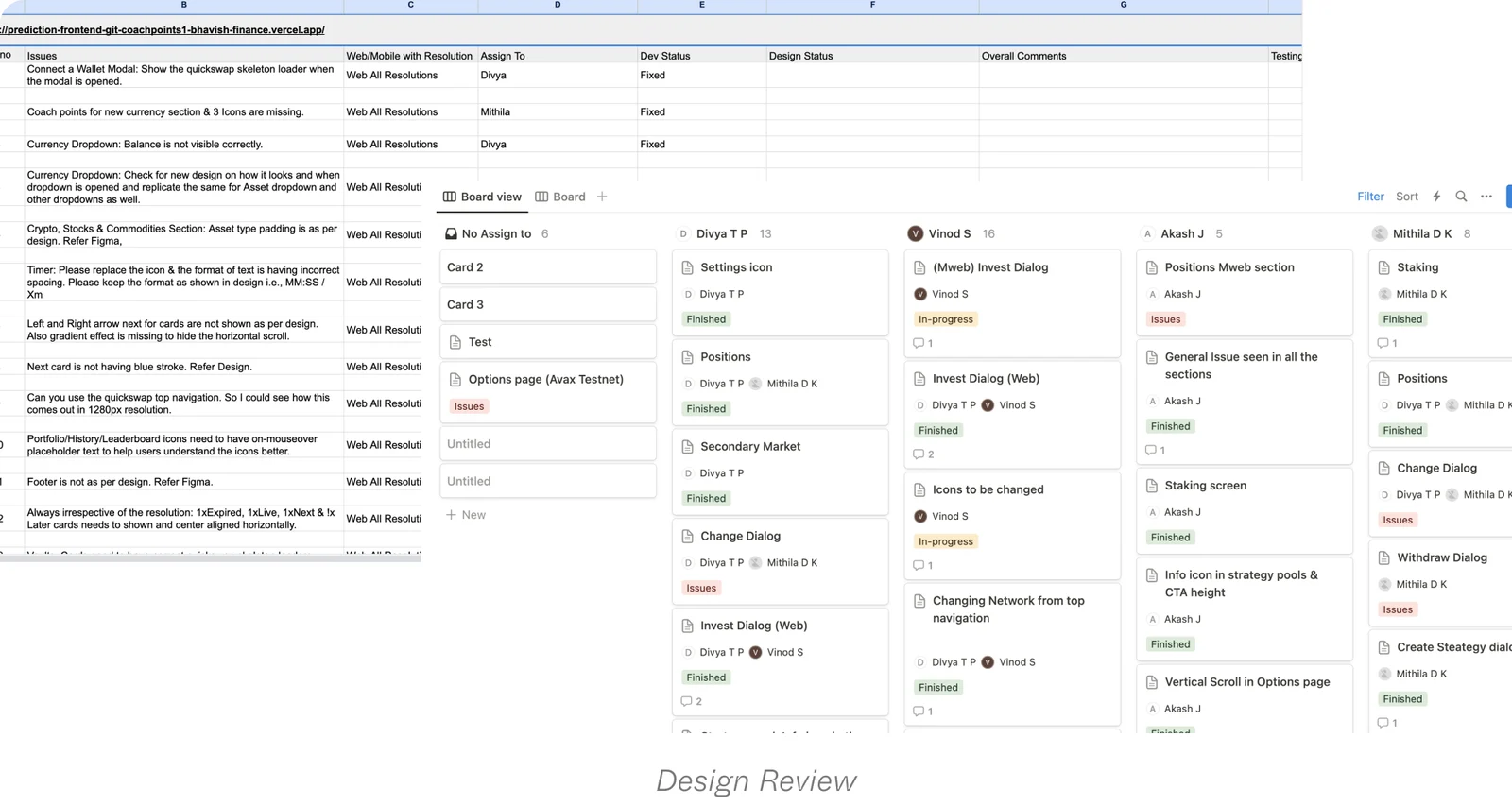
Design also owned motion, the marketing campaigns and the landing page. As engineering built each release, I reviewed every screen against the design and logged the gaps for the developers, so what shipped matched what was agreed.
Shipping while the scope moved
No-loss was stuck: its requirements weren’t ready, and the flow diagram and architecture couldn’t be drawn without them. Waiting would have meant launching nothing.
Leadership agreed. Then I argued against launching everything in Lossy at once.
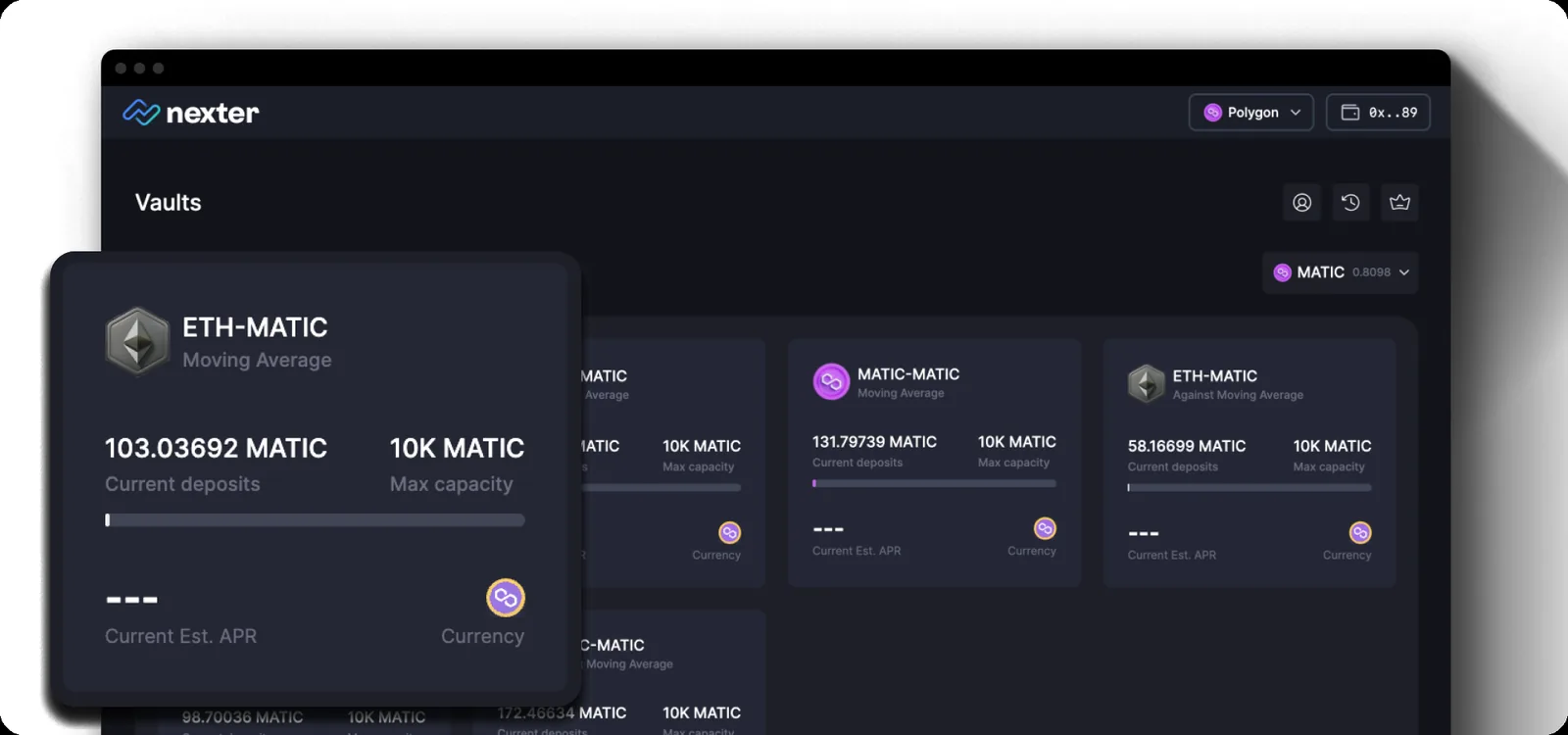
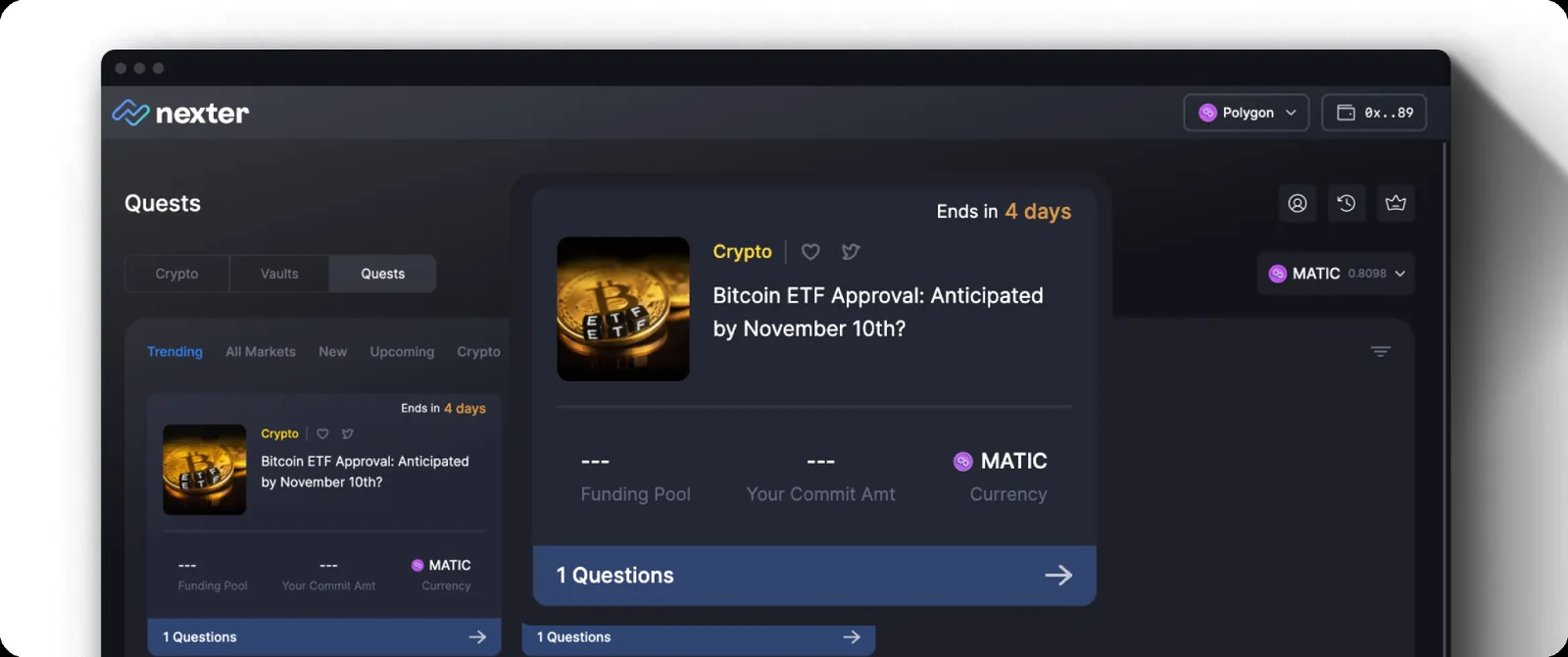
Waiting for a settled scope would have meant not shipping.
Designing for two kinds of user
The people most likely to use Nexter already knew web3 prediction markets, so the main screen skips the explaining and goes straight to predicting. The round, the asset and the time left are visible at a glance, and a prediction is two decisions: up or down, and how much.
A wallet, though, is the first wall a newcomer hits. Alongside the usual wallet connection, people without a web3 wallet can sign in with email or a social account, through MagicLink, and first-time visitors get coach marks on the key actions. The product serves the experts without shutting out everyone else.
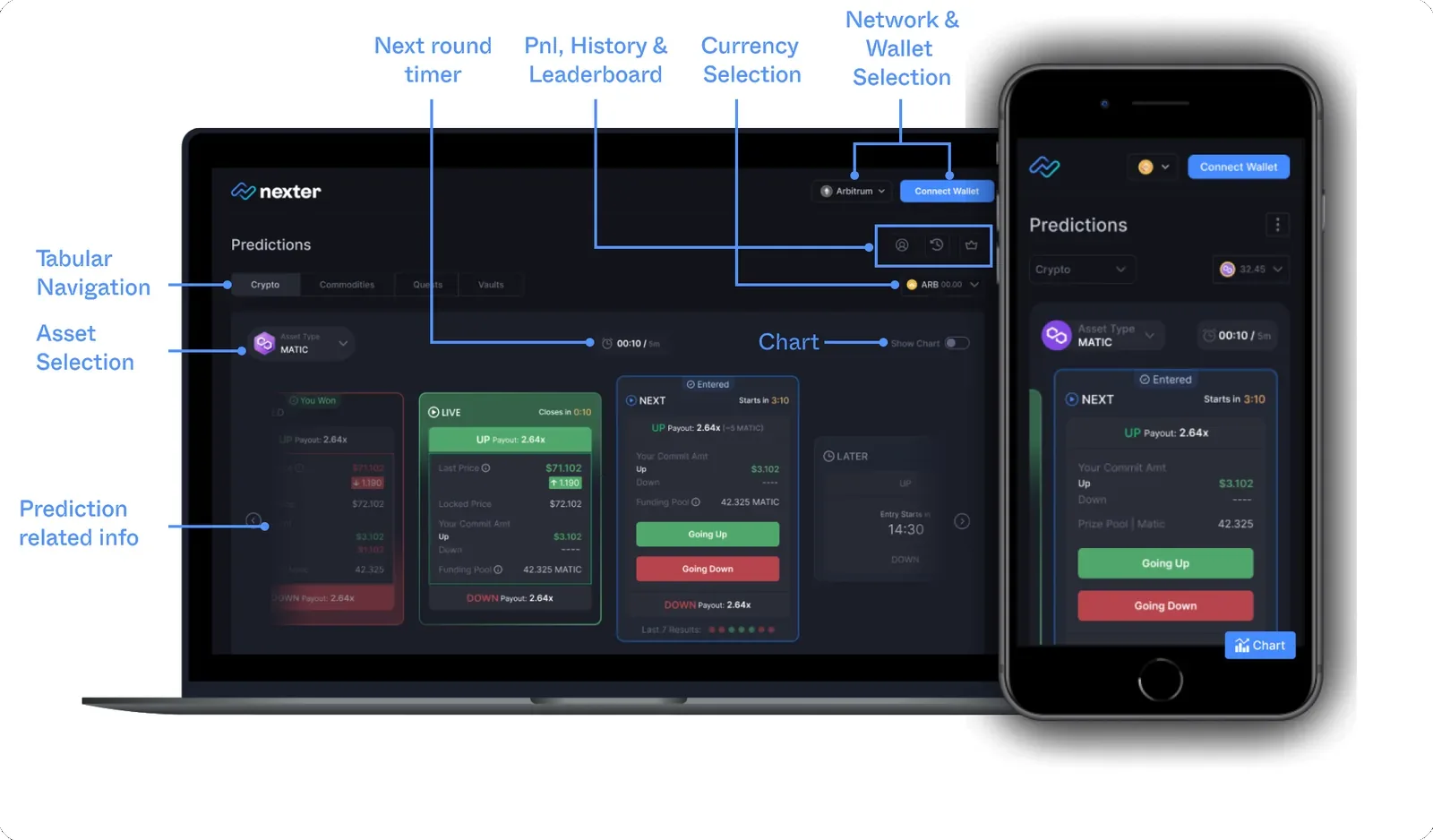
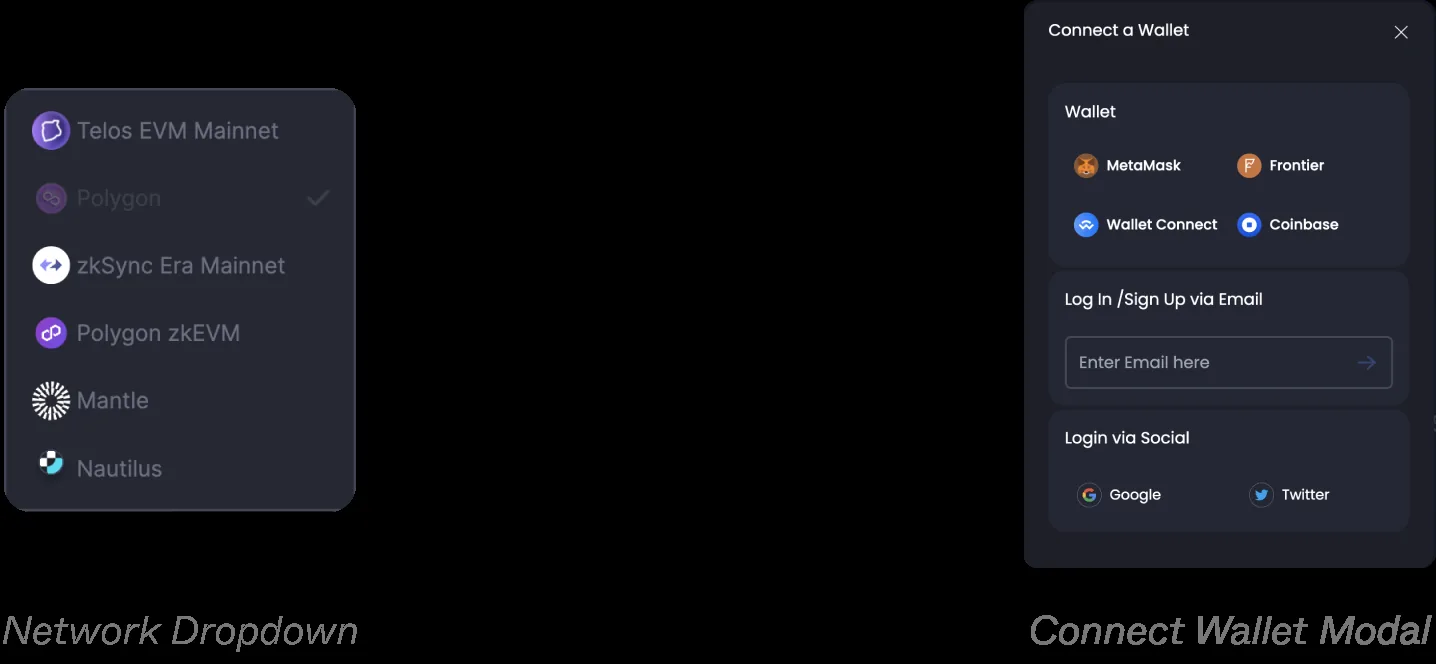
Giving people a reason to come back
The research had warned that prediction products gave people little reason to return. A round lasts minutes; if nothing carries over from one to the next, every visit starts from zero.
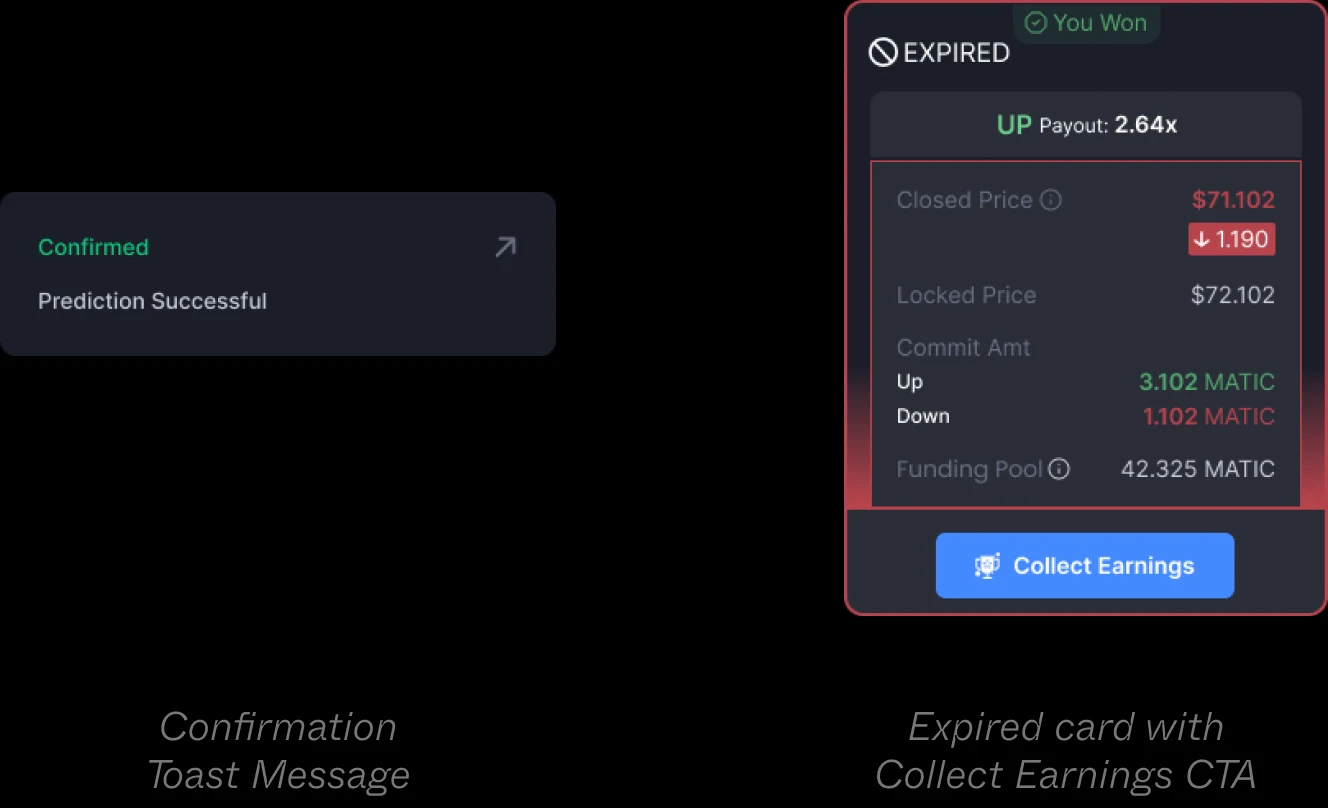
Each round also closes its own loop: a confirmation the moment a prediction is placed, and an expired card with a Collect earnings button when the round ends, so a win is never left unclaimed in the history.
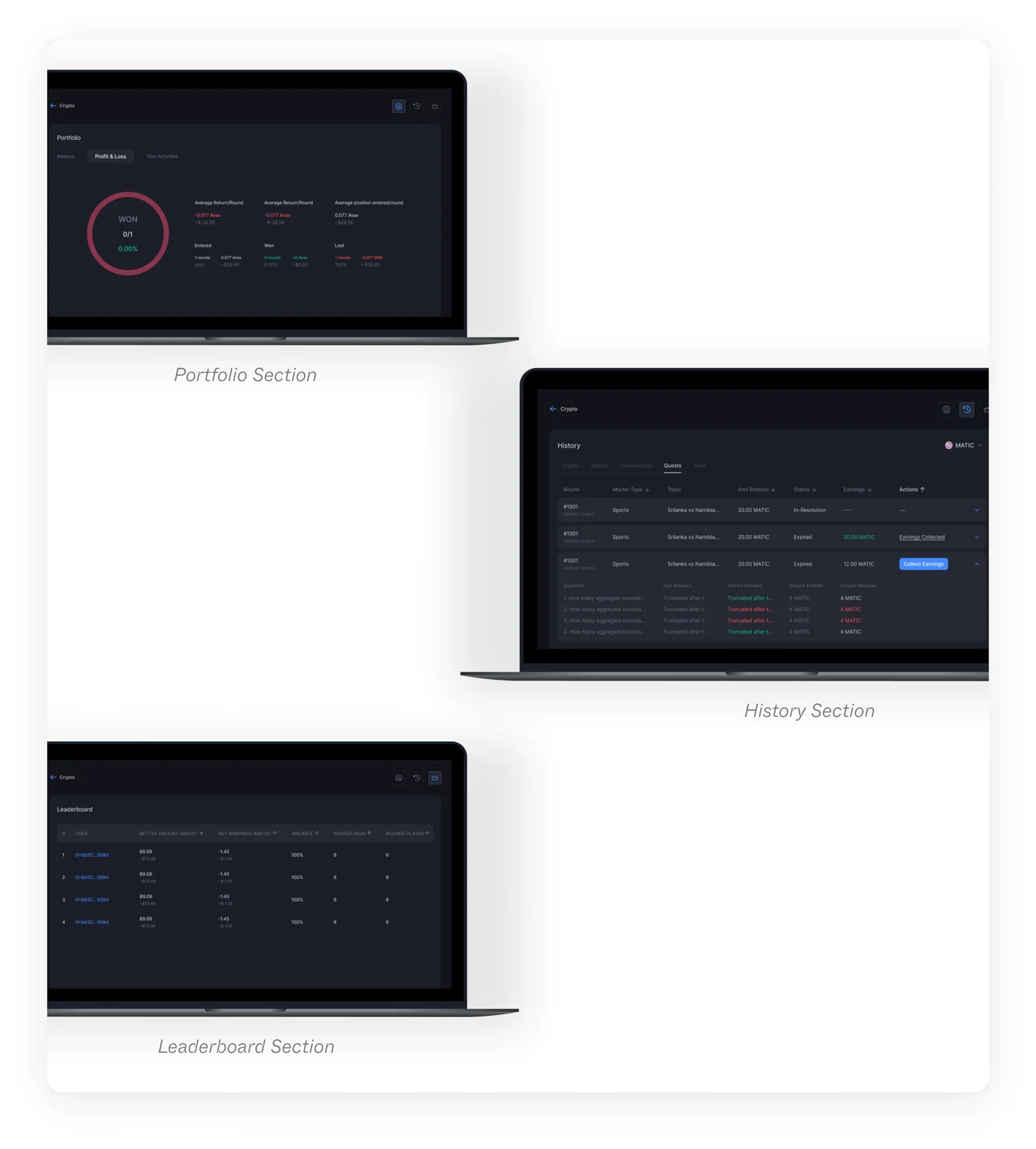
The leaderboard did more than retain people. Leaderboard campaigns on Twitter, Telegram and Discord became one of the ways Nexter brought new people in.
Adding No-loss without breaking what worked
By the time No-loss was ready, Nexter was integrated with Quickswap and a lot of people were using it through both Quickswap and the Nexter app. Leadership asked me not to change the interface they had learned.
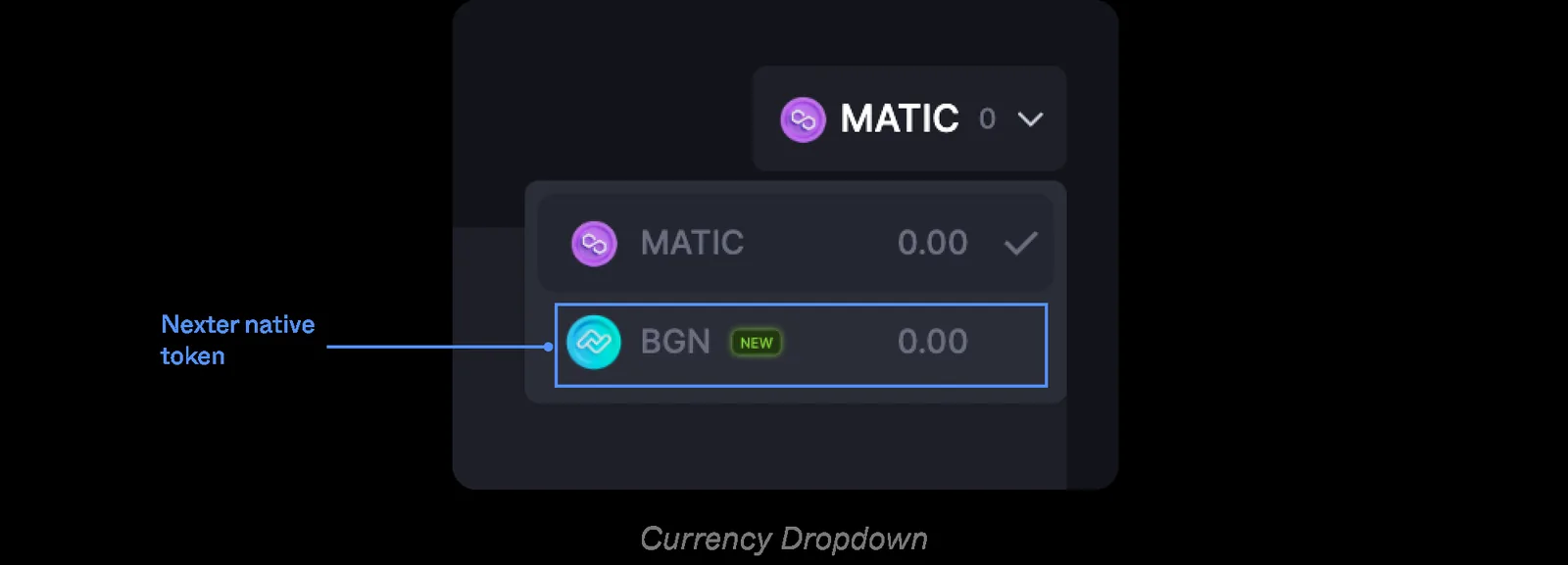
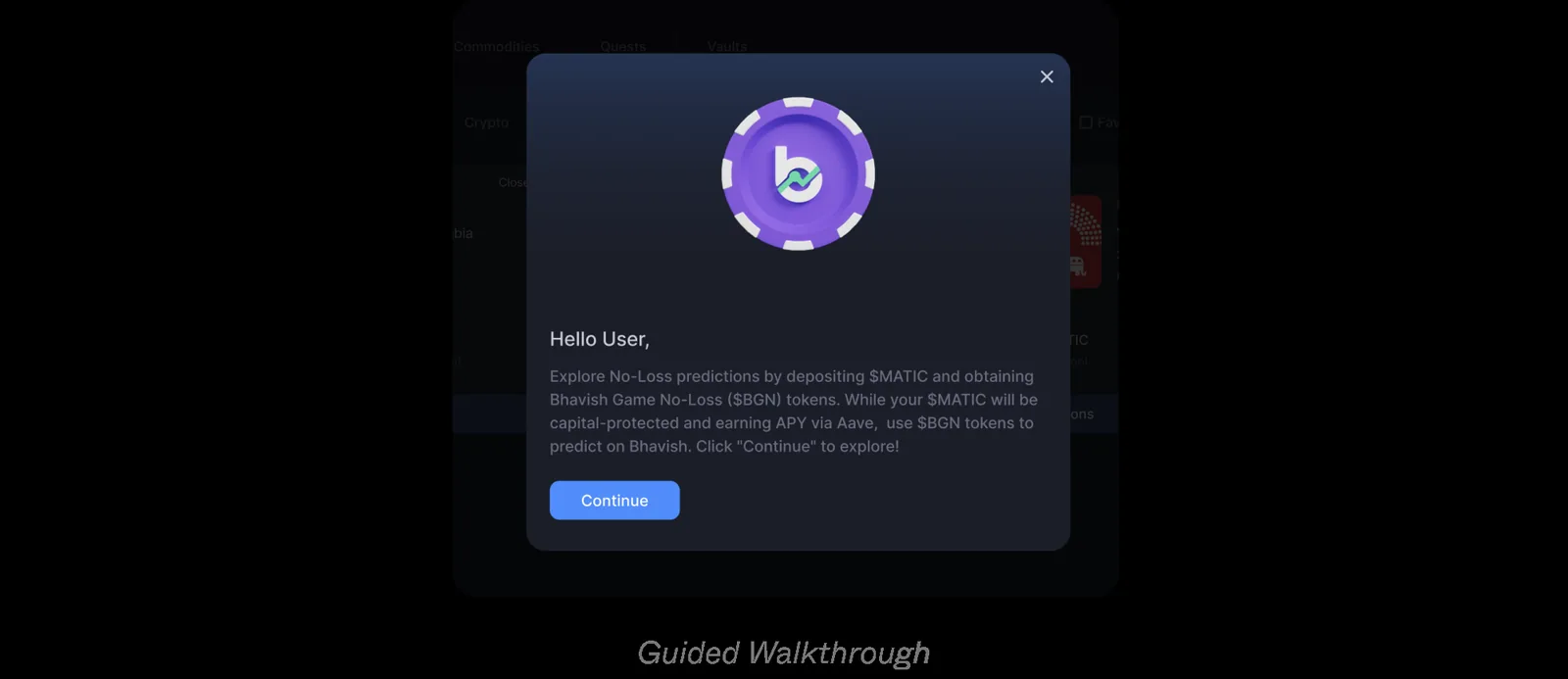
Testing with six people
With both products designed, I ran in-house usability testing with six people: three who knew prediction platforms and three who had never used one.
- People who knew the category finished tasks much faster. Newcomers couldn’t finish unaided, but could with guidance.
- Both groups struggled to understand how No-loss worked.
- Both wanted the key facts on every market card, so they could compare options and decide.
The second finding is the one I would have acted on first. I moved on from Nexter soon after this round, so the findings were left to the team.
Outcome
Nexter launched, then grew release by release. After launch I watched Google Analytics and Hotjar to see how people really used the app. Partnerships with decentralised exchanges such as Quickswap, Zeroswap, Nautilus Chain and Heliswap, leaderboard campaigns and the community brought people in.
By January 2024, people had made more than 1.7 million predictions, worth over $19 million, and Nexter had collected $242K in fees, on a product that had started without a settled scope.
What I’d do differently
- Test with real users before development, not after. The timeline didn’t allow it. Earlier testing is exactly what would have caught the No-loss confusion while it was still cheap to fix.
- Agree a minimum scope before agreeing dates. The phased release protected the launch, but a scope that kept changing still moved the design timeline more than once.